

Driving toward the European solar inflection point
1: Big PV is back
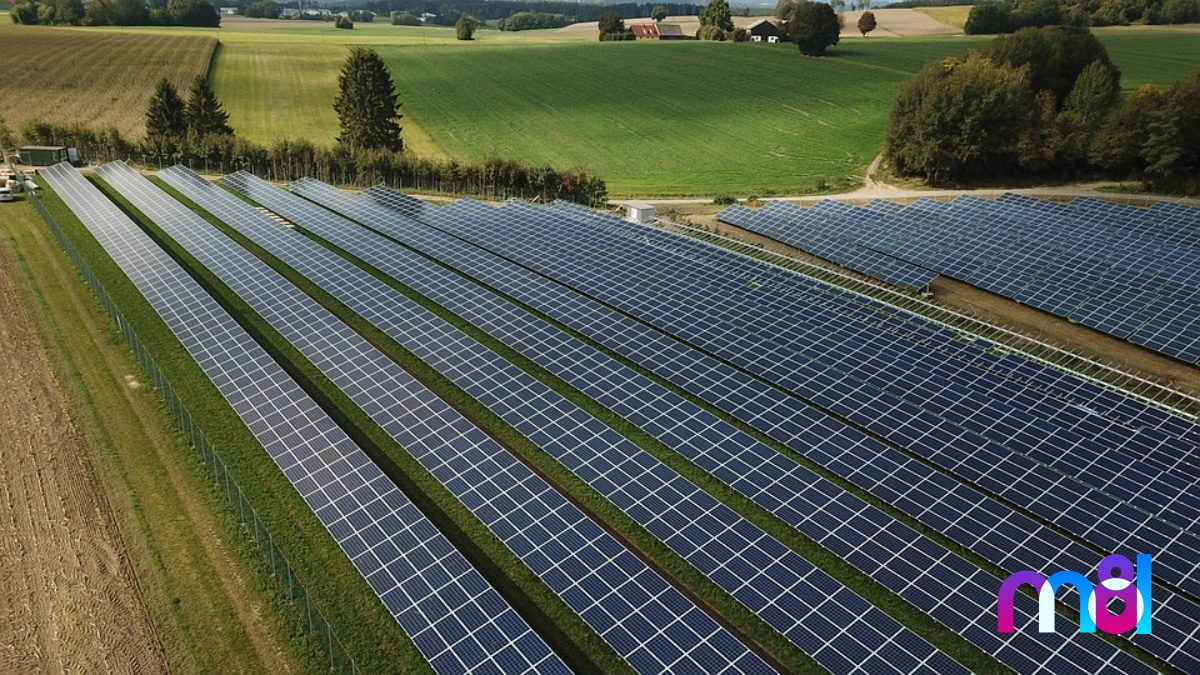
While markets outside of Europe have hogged the limelight when it comes to size and record low tenders for the last five years or more, this decade has already been notable for the return of very large utility-scale projects on the continent. And very large means 100 MW and up.
IHS Markit is tracking a pipeline of some 80 GW of utility-scale solar projects 100 MW+. Athough Josefin Berg, a research and analysis manager of clean energy technology for the company, acknowledges that they “are in very early stages and many are not going to happen.”
But there are 100 MW+ projects going ahead in Europe, with the transition away from FITs to auctions and eventually merchant PV enabling big projects to get off the ground.
2: Ways around grid constraints
While developers of large projects scramble to acquire land close to the grid and connection rights, PV is demonstrating its versatility and set to deliver ongoing demand. The Dutch government has set a hugely ambitious 27 GW solar ambition by 2030. However, the densely populated nation lacks the wide open spaces for big PV. In response, developers are showing remarkable creativity, getting close to 3 GW installed in 2020.
“I think there will be way more floating PV than many people think,” says Prashant Khorana, a director of consulting at Wood Mackenzie. “There are abundant lakes with shallow water, and floating PV is pretty simple – particularly when you compare it to the complexity in offshore wind. I mean, the biggest problem is bird droppings.”
“The Dutch are sticking solar on everything at the moment,” observes Jenny Chase. “It’s a pretty healthy way to install solar in your grid.”
3: Policy innovation shines
Innovation is also occurring in Europe’s solar tenders, auctions or support programs, and a move toward a zero-emissions technology neutral basis is a commonality between countries. Italian lawmakers have dedicated more than €3 billion in funding toward agrivoltaic installations and “energy communities.” The programs anticipate seeing up to 4 GW of solar capacity installed.
France is also backing agrivoltaics, though large projects like the Engie-Neoen array mentioned earlier are meeting some local opposition. CRE, France’s energy regulator, announced the results of its second tender for innovative technology, a yield of around 145 MW of projects at an average strike price of €0.0815/kWh.