

New REN21 outlook on renewable energy development
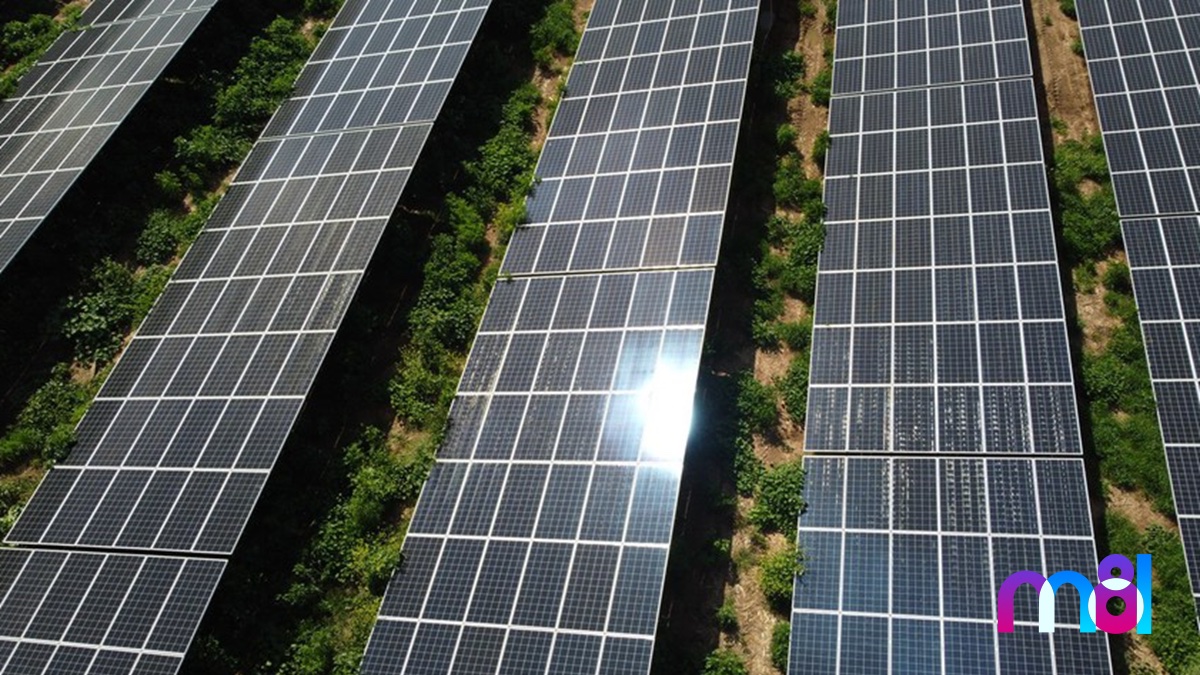
Shifting to renewable energy is not only necessary and possible, but it also makes business sense.
Fossil fuels are responsible for climate change, and also heavily contribute to biodiversity loss and pollution. Shifting from fossil fuels to renewable energy is a necessary step to take and making renewables the norm is not a question of technology or costs.
The power sector has made great progress already. Today, almost all new power capacity is renewable. More than 256 GW were added globally in 2020 – surpassing the previous record by nearly 30%.
In more and more regions, including parts of China, the EU, India, and the United States, it is now cheaper to build new wind or solar PV plants than to operate existing coal-fired power plants.
The business world also is catching on. The amount of renewable electricity from power purchase agreements has grown substantially in recent years, with a record 23.7 GW sourced from corporate PPAs in 2020. This was the growth of 18% despite the impacts of the COVID-19 pandemic.
“The renewable energy transition is gaining pace because it makes business sense as well as environmental sense. Renewable electricity is already creating millions of jobs, saving businesses money, and providing energy access to millions. But businesses and governments need to go faster, not only for the environment but to remain competitive in a renewably powered 21st-century economy,” says Sam Kimmins, Head of RE100.
The world’s progress towards climate neutrality can be tracked with one simple key performance indicator: renewable energy.
REN21’s 2021 report clearly shows that governments need to give a much harder push to renewables in all sectors. As seen in the figure below, only five of the world’s largest member economies in the G20 – the EU-27, France, Germany, Italy, and the United Kingdom – had set 2020 targets to achieve a certain share of renewables in final energy use.

The window of opportunity is closing unless efforts are significantly ramped up, and it will not be easy to do. Rana Adib, Executive Director at REN21 states:
“Governments must not only support renewables but also rapidly decommission fossil fuel capacity. A good way to accelerate development is to make the uptake of renewable energy a key performance indicator for every economic activity, every budget, and every single public purchase. Thus, every ministry should have short-and long-term targets and plans to shift to renewable energy coupled with clear end-dates for fossil fuels.”
Nothing will happen unless we measure the right indicator. Considering the urgency of accelerating the structural shift from fossil fuels to renewables in all societal and economic activities, it is not enough anymore to track renewable energy targets, policies, and investments. The world’s progress towards global climate and sustainable development goals can be measured by a simple key performance indicator: the share of renewable energy.
The share of renewable energy reflects developments in energy demand, energy conservation, energy efficiency, and emissions in addition to renewable energy uptake and the reduction of fossil fuel use. Reaching a high renewable energy share can be used as the blueprint for a structural shift towards a transformed energy world.
Therefore, this indicator should be integrated at every level of decision-making. Because energy is everywhere, the energy transition needs to happen everywhere. This particular key performance indicator lets people measure progress and ensure engagement globally, nationally, in regions, in cities, in any economic sector, and even in businesses.